Fence Ideas for Small Backyards in Wauwatosa, WI
Explore fence styles, smart layouts, and privacy solutions that help Wauwatosa homeowners make smaller backyards feel more spacious, comfortable, and useful.
A small backyard can still be a comfortable place to relax, entertain guests, garden, or spend time outdoors with family. The challenge is making the most of the available space without creating a crowded or enclosed feeling. The right fence can help define the yard, provide privacy, and make outdoor areas feel more organized.
For homeowners in Wauwatosa, Wisconsin, choosing a fence for a compact backyard means thinking carefully about height, material, spacing, and layout. A design that works well on a large property may overwhelm a smaller one, while a thoughtfully planned fence can make limited space feel more functional and inviting.
Choose a Fence Style That Fits the Space
The fence style has a significant impact on how large or small your backyard feels. Solid panels can provide privacy, but they may also create a strong visual boundary around a compact yard. Open designs allow views to continue beyond the fence, helping the space feel less restricted.
Before choosing a style, consider how you use your backyard. If you primarily want a safe area for pets, a clearly defined boundary may be the priority. If you enjoy entertaining or relaxing outside, you may prefer a design that provides privacy around a patio while keeping the rest of the yard visually open.
A simple, consistent fence design often works well in smaller spaces. Too many decorative details, contrasting colors, or changes in height can make the yard feel visually busy.
Think about the overall effect rather than choosing a fence based only on its appearance in a product photo. The best design should work with your home's exterior, the size of your yard, and the activities you want to accommodate.
Consider Open Fencing to Create a Spacious Feel
One way to keep a small backyard from feeling boxed in is to choose a fence that allows some visibility through its structure.
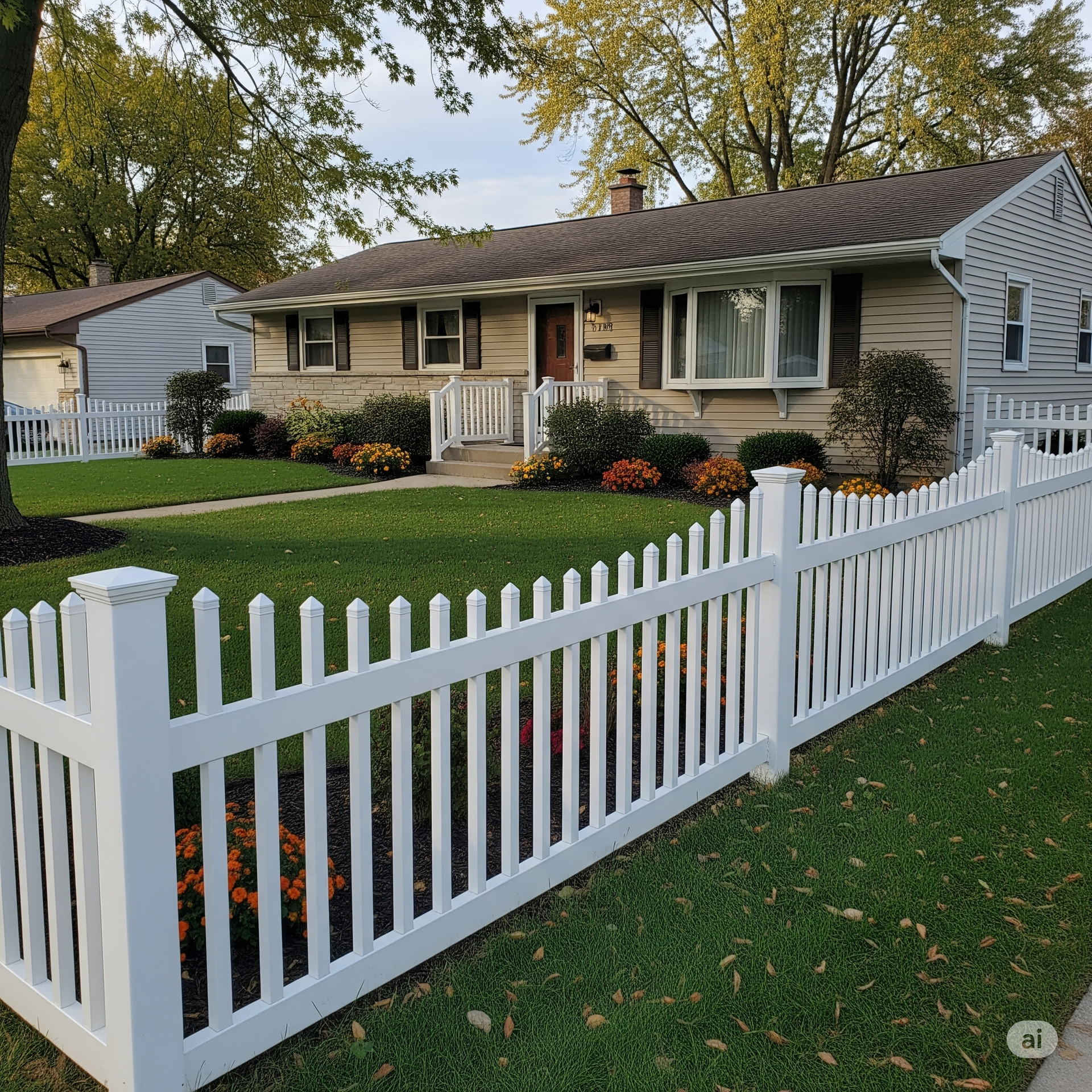
Metal fencing with vertical pickets can define the property boundary while maintaining views of nearby landscaping. Traditional picket fencing can also provide a clear enclosure without the solid appearance of a full privacy fence.
These options may be suitable when privacy is less important than openness. They can also help a small yard feel connected to mature trees, garden areas, and other landscape features.
However, open fencing provides less visual screening than solid panels. If neighboring windows or nearby outdoor areas overlook your yard, consider where you need privacy most before choosing a design.
You do not necessarily have to use the same level of screening along every side. A layout that combines different fence styles, where permitted, may provide a better balance between privacy and openness.
Use Privacy Fencing Where It Matters Most
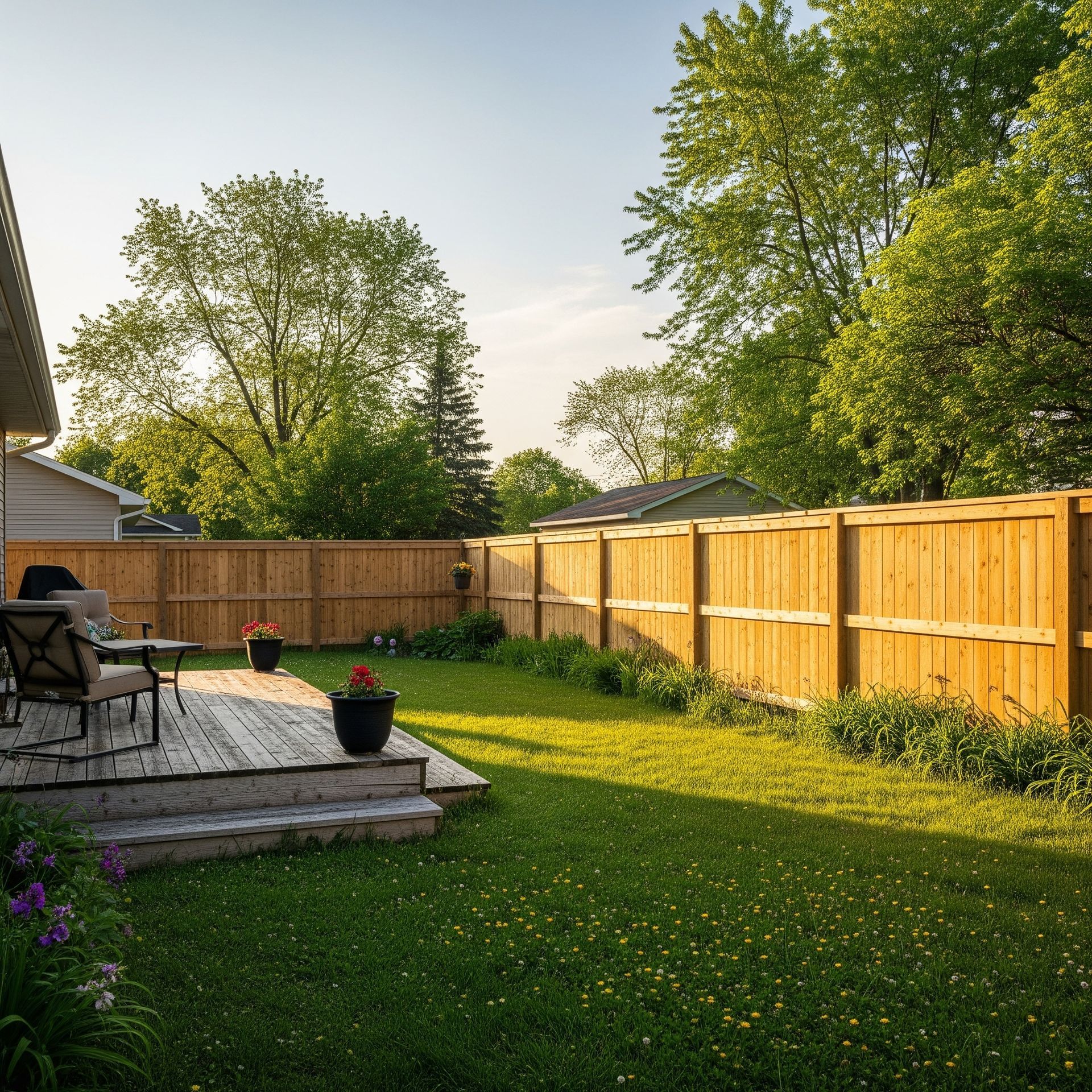
A solid fence can make a small backyard more comfortable by blocking direct views from neighboring properties. The key is deciding where that privacy will make the greatest difference.
For example, a patio or outdoor dining area may benefit from a more enclosed setting, while an area used for gardening or general recreation may work well with a more open boundary.
Think about the placement of outdoor furniture, doors, windows, and walkways. If a neighboring property has a direct view into your main seating area, a strategically positioned privacy section may address the problem without requiring a solid fence around the entire yard.
Fence height also matters. Taller fencing can provide more screening, but it may make a small space feel more enclosed. Before selecting a height, check the applicable local requirements and consider how the fence will look from inside the yard.
The goal is to create privacy where you need it without sacrificing the comfort and openness of the entire outdoor area.
Select Materials That Complement Your Home
In a small backyard, the fence and house are often viewed together from multiple angles. Choosing a material that complements your home's exterior can make the entire property look more coordinated.
Wood fencing offers flexibility in design and can work well with traditional homes, gardens, and outdoor seating areas. It can be built with open pickets, horizontal boards, or solid panels, depending on your goals. Wood does require regular inspection and maintenance to address moisture exposure, weathering, and surface wear.
Vinyl fencing is available in several colors and styles, including picket and privacy designs. Its consistent appearance can help create a clean, organized boundary without routine staining or painting. Panels and hardware still need periodic inspection to keep the fence in good condition.
Metal fencing can be a good option when you want a defined boundary without blocking views. Its open design may help a compact yard feel less confined, although the amount of privacy depends on the style selected.
When comparing materials, consider color as well as construction. A fence that complements your siding, trim, brickwork, or outdoor features can help the backyard feel like a natural extension of the home.
Make Landscaping Work With the Fence
Landscaping can help a small backyard feel more inviting, but it needs to be planned carefully. Oversized shrubs, wide planting beds, or trees placed too close to a fence can take up valuable space and make maintenance more difficult.
Instead, look for ways to soften the fence without reducing the usable area. Narrow planting beds, appropriately sized shrubs, and container gardens can introduce greenery without occupying too much of the yard.
If you prefer a solid fence, plants can help break up the appearance of a long panel. For an open fence, carefully placed greenery may provide additional screening where needed.
Consider the mature size of every plant before putting it in the ground. A shrub that looks small at installation may eventually crowd a walkway or interfere with fence panels. Leave enough room to trim plants, inspect the fence, and reach the property boundary.
You should also think about seasonal changes in Wisconsin. Some plants provide year-round screening, while others lose their leaves in fall. Your landscaping choices should reflect how much privacy you want during every season.
Plan the Layout Around Your Daily Activities
A small backyard often needs to serve several purposes at once. It may contain a patio, lawn area, garden, storage space, and a route for moving equipment. Fence placement should support these uses instead of making them more difficult.
Start by identifying the areas you use most frequently. Measure the space needed for outdoor furniture, grill access, garden maintenance, and pathways before finalizing the fence layout.
Avoid positioning a gate where its swing will interfere with furniture or block a narrow walkway. Make sure you can still reach areas that need regular maintenance and move equipment through the opening when necessary.
If the yard has an unusual shape, follow the property's layout carefully rather than assuming a straight fence line will provide the best result. A well-planned boundary can help organize the space and preserve useful areas that might otherwise be overlooked.
Planning these details in advance can prevent the fence from becoming an obstacle to the activities you want to enjoy.
Account for Drainage and Wisconsin Weather
A fence should fit the yard without interfering with how water moves across the property. Before installation, identify low spots, areas where rainwater collects, and places where runoff moves toward neighboring properties.
The fence layout and post locations should account for these conditions. Avoid creating an unintended barrier to existing drainage, and discuss any concerns with your installer before work begins.
Wauwatosa's seasonal weather is another important consideration. Rain, snow, freezing temperatures, and changing moisture levels can affect fencing materials and hardware over time.
Wood fencing benefits from suitable installation, regular inspections, and maintenance of its protective finish. Vinyl fencing should be checked for cracked panels and loose connections, while metal fencing should be inspected for corrosion or damaged coatings.
Solid fences can also experience more wind pressure than open designs. Appropriate posts, supports, and installation methods are especially important for long-term stability.
Considering drainage and weather during the planning stage can help you choose a fence that remains functional without creating unnecessary maintenance problems.
Check Wauwatosa's Fence Requirements Before Installation
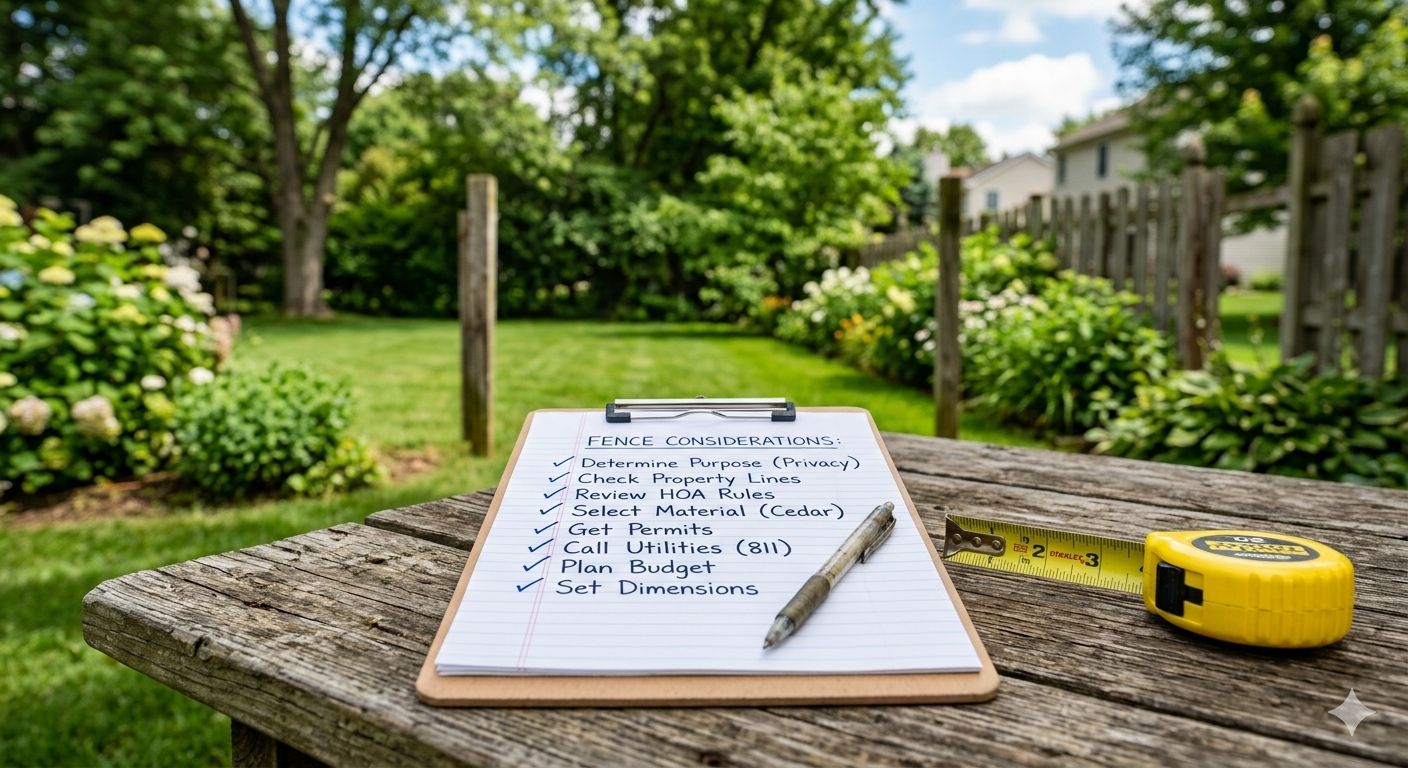
Before choosing a final design, review the City of Wauwatosa's fence regulations. The city states that residential fences no higher than 4.5 feet may generally extend to the property line in side and rear yards without a permit. Front-yard fences require a permit and are subject to additional restrictions, including a maximum height of three feet, limits on total length, and requirements for open fence area.
Fences beside alleys must be set back 18 inches from the property line. Fences along the side street of a corner lot also require a permit. The city's definition of a front yard may differ from what homeowners expect, so do not assume the front of the house determines the regulated front yard.
Rules can vary depending on the fence location and property conditions. Review the city's current Building and Safety fence guidance or contact the department at (414) 479-8907 to confirm the requirements for your project.
You should also verify property boundaries and arrange for underground utilities to be marked before digging post holes. Taking care of these details early can help prevent avoidable delays and changes.
Make Your Small Backyard More Functional
A small backyard does not need an oversized fence to feel private, attractive, and useful. The right design can establish clear boundaries, protect important outdoor areas, and complement the home without overwhelming the available space.
By choosing suitable materials, planning the layout around your daily activities, and combining fencing with thoughtful landscaping, you can create a backyard that feels organized and comfortable.
For homeowners in Wauwatosa, WI, Wauwatosa Fence can help explore fencing options that fit your property's layout, privacy goals, and preferred style. With careful planning, even a compact outdoor space can become a welcoming extension of your home.